
Visual Assessments & Testing
Visual Assessments
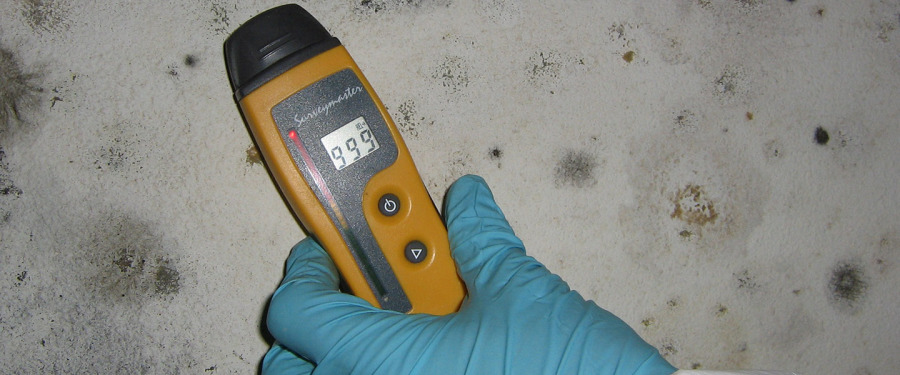
Our experts utilize advanced diagnostics—including thermal imaging, hygrometers, and moisture meters—to identify the root causes of poor indoor air quality. We go beyond surface-level observations to document the specific environmental conditions that allow mold, bacteria, and viruses to thrive.
By combining construction expertise with thermodynamic analysis, we provide factual, evidence-based reports. Our goal is to demystify complex building issues and present a clear, data-driven path for corrective action without unnecessary hyperbole.
Environmental Testing
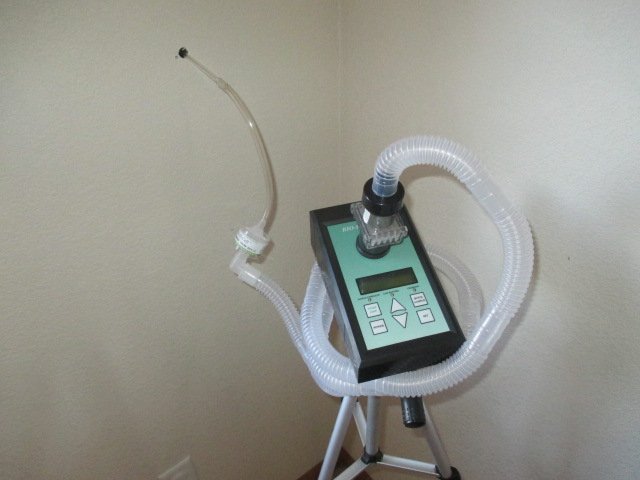
We conduct comprehensive indoor air quality (IAQ) testing to validate concerns and inform mitigation strategies. Our process integrates visual findings with physical data collected through air sampling, surface swabs, and tape-lifts.
-
Pre-Testing: Establishes a baseline by comparing indoor samples against outdoor ambient air to identify genre-specific microbial issues.
-
Post-Remediation Testing: Recommended to verify the success of a project and ensure the environment has returned to a healthy state.
To ensure accuracy, we require all air-moving devices (HVAC, fans, dehumidifiers) to be deactivated at least one hour prior to testing to capture a true ambient reading.
Environmental Testing Services
Testing indoor air environments is essential for identifying and resolving air quality issues. At JKM Services LLC, our process combines thorough visual assessments with data-driven analysis to create effective mitigation plans.
Our Sampling Methods
We utilize various industry-standard techniques to collect data for analysis, including:
-
Air Testing: Captures ambient spore counts and types.
-
Surface Swabs: Identifies specific contaminants on physical structures.
-
Tape-Lifts: Provides a clear microscopic view of surface growth.
Pre-Testing (Baseline Assessment)
Before remediation, we perform a "background" test to understand the scope of the issue. We compare indoor samples with outdoor ambient air to determine if the mold levels inside your property are elevated or consist of different species than those naturally occurring outside.
Note: While Ohio winters can lower outdoor spore counts, our experts focus on identifying differences in mold "genres" to pinpoint indoor issues.
Post-Remediation Testing
Once a project is complete, we highly recommend post-testing to verify that the environment has returned to a healthy state.
-
What we test: Occupied indoor living spaces and air quality systems.
-
What we skip: Unconditioned, isolated areas like uninhabitable attics or garages, as constant uncontrolled airflow makes sampling parameters inconsistent.
Preparation for Accurate Results
To capture a true ambient air quality reading, please ensure the following:
-
Deactivate all air-moving devices (HVAC systems, ceiling fans, and dehumidifiers).
-
Maintain "still air" for at least one hour prior to our arrival.
Contact Us Today!
JKM Services, LLC
5180 Richmond Road
Bedford Heights, Ohio 44146
Phone: 888-486-0253
E-mail:
info@jkmservices-llc.com
Special Facebook Promotion
Like us on Facebook and receive a special discount on your service!
 Share
Share Print
Print 